
Traumatic Brain Injury
Memory, personality, and cognitive function can all be affected, often in ways that only become clear over time.
A catastrophic injury does not resolve with a cast and a few weeks of rest. It can mean a lifetime of medical care, lost earning capacity, and a family restructuring itself around a new reality. Barreto Law Firm builds cases that account for the full length of that road, not just the first bill.
Se habla español · No fee unless we recover on your claim
A catastrophic injury claim seeks compensation for harm severe enough to cause permanent disability, lifelong medical dependency, or a significant reduction in someone's ability to work and live independently. Common examples include traumatic brain injury, spinal cord injury and paralysis, amputation, severe burns, and multiple traumatic injuries from a single incident. Because the effects last for life, these claims typically require input from medical experts, life care planners, and economists to value future treatment, lost earning capacity, and long-term care accurately.
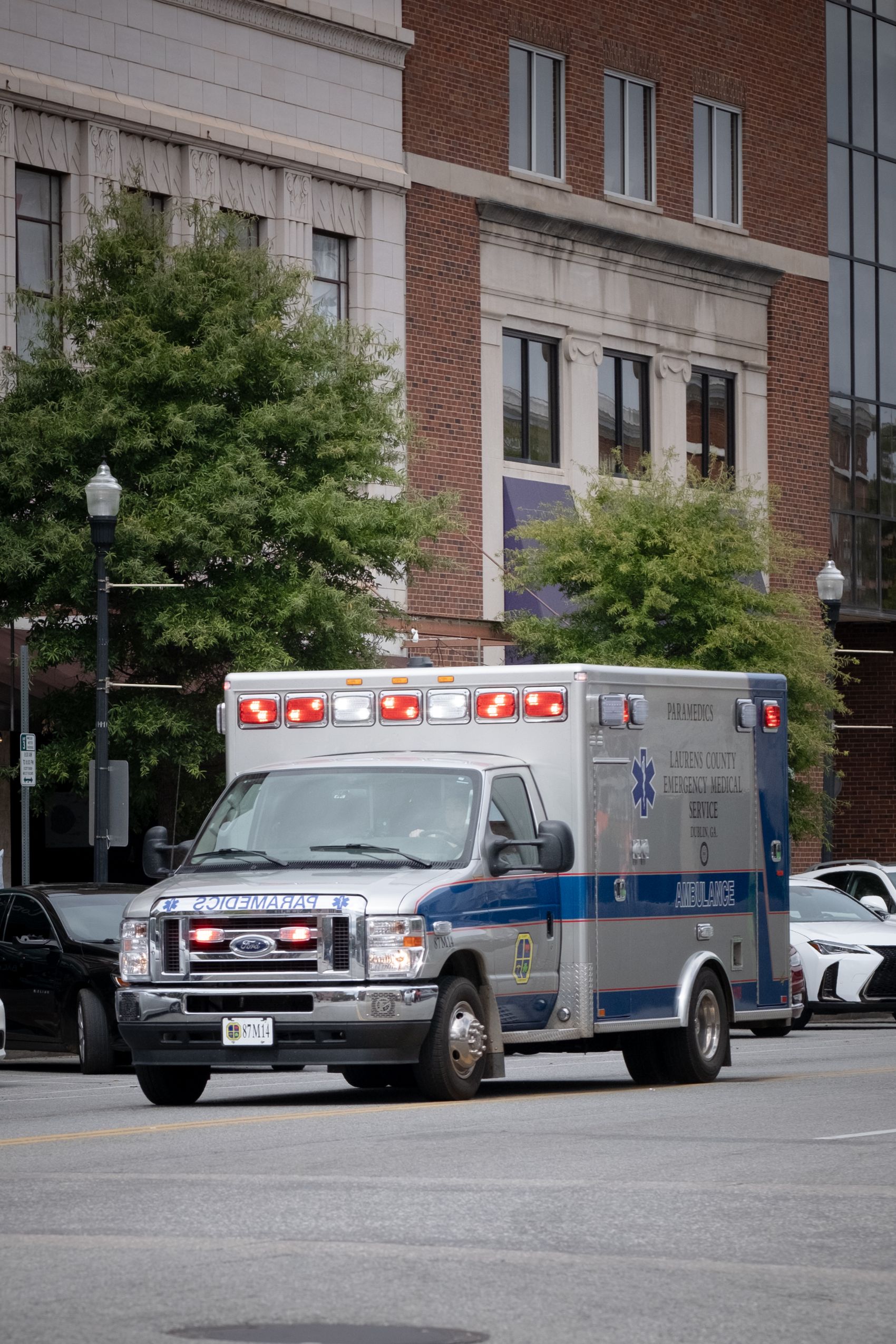
Most personal injury cases end when treatment ends. Catastrophic injury cases do not, because the injury itself does not end. The legal claim has to reflect that difference from the very first conversation.
Barreto Law Firm works with treating physicians, life care planners, and vocational and economic experts to document what a serious injury actually costs over a lifetime, not just what it has cost so far.
Not every serious injury is catastrophic in the legal sense. These categories share one trait: the effects do not resolve with time.
Memory, personality, and cognitive function can all be affected, often in ways that only become clear over time.
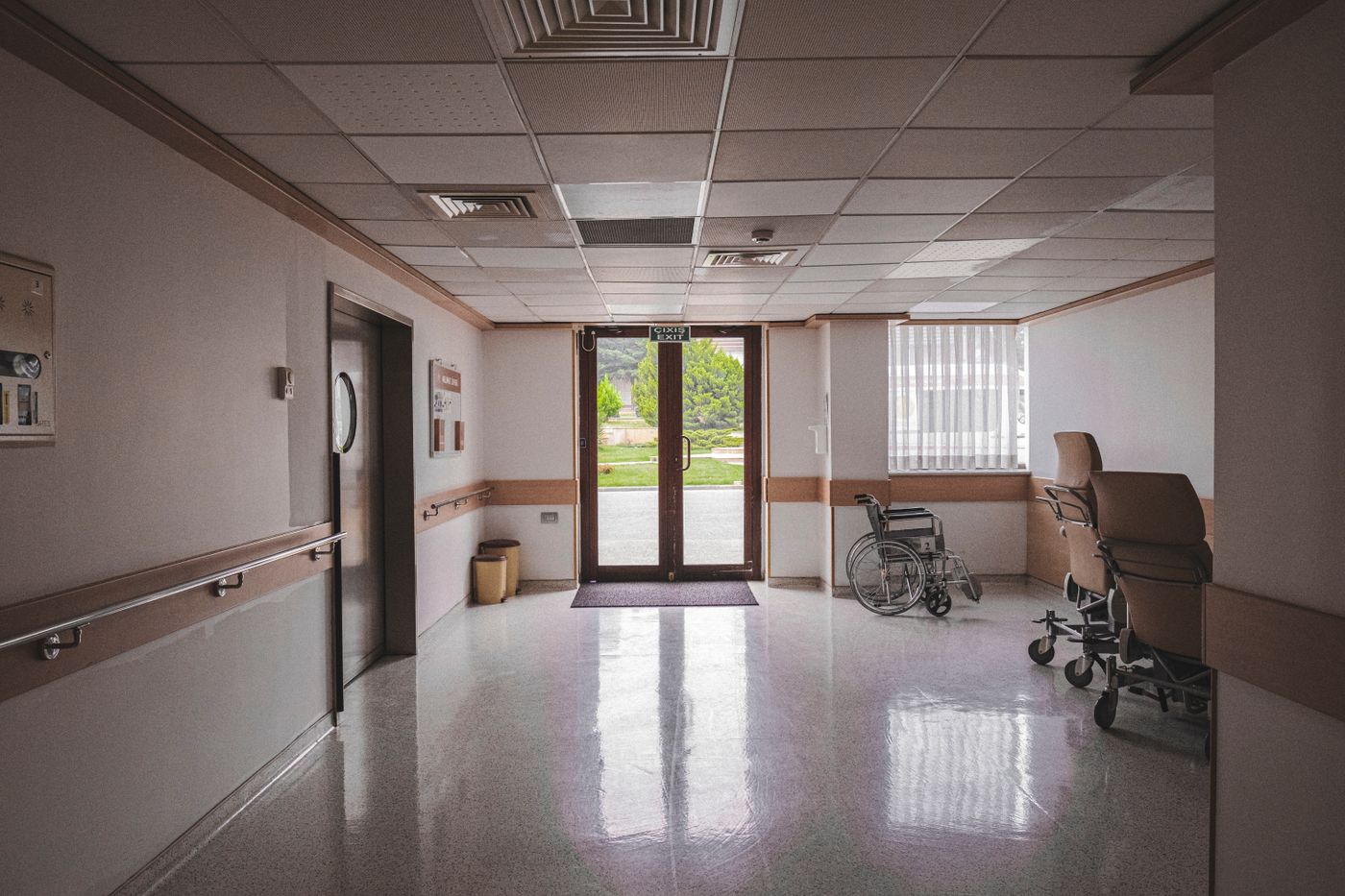
Partial or complete loss of movement often requires a home to be rebuilt around a person's new physical reality.

Prosthetics, repeated fittings, and adaptive equipment become ongoing costs, not one-time expenses.

Reconstructive surgery, scar management, and psychological care can continue for years after the initial incident.
A fair settlement is not measured by what has already been spent. It is measured by what will still be needed twenty years from now.Barreto Law Firm · Rockaway Township, New Jersey
An early settlement offer is almost always based on what has happened so far. It rarely accounts for what comes next.
Surgery, intensive care, and acute treatment generate the first bills and the first insurance contact, often within days.
The full scope of a brain, spinal, or amputation injury frequently is not clear until months of therapy and specialist evaluation have passed.
Vocational limitations, home modifications, and the true impact on a career usually become measurable during this period.
Future surgeries, attendant care, equipment replacement, and medication needs continue for decades and have to be projected, not guessed at.
Insurers are structured to resolve claims quickly. A lifetime of need does not fit neatly into that process.
The at-fault party's insurance may cap out well below what a lifetime of care actually costs, making every available policy relevant.
Without a life care planner and an economist, future medical and equipment costs are easy for an insurer to dispute.
A permanent injury can limit an entire career path, which is a different and larger calculation than missed paychecks.
Spouses and parents who provide unpaid care absorb real costs that are often left out of an initial claim entirely.
Offers often arrive before the full medical picture, and a prognosis, has even been established.
New Jersey reduces recovery by any percentage of fault assigned to you, so that argument is contested aggressively.
Two questions. The categories of compensation that may apply often depend on the type of injury and how it has affected daily life.
This tool describes categories of damages that are generally considered in catastrophic injury claims. It is not legal advice, it does not value your specific claim, and every case depends on facts that must be reviewed individually.
New Jersey law includes specific rules that directly affect what a serious injury claim can recover and how it must be proven.
Every future cost that will be claimed has to be supported by evidence today. The earlier this record starts, the stronger it is.
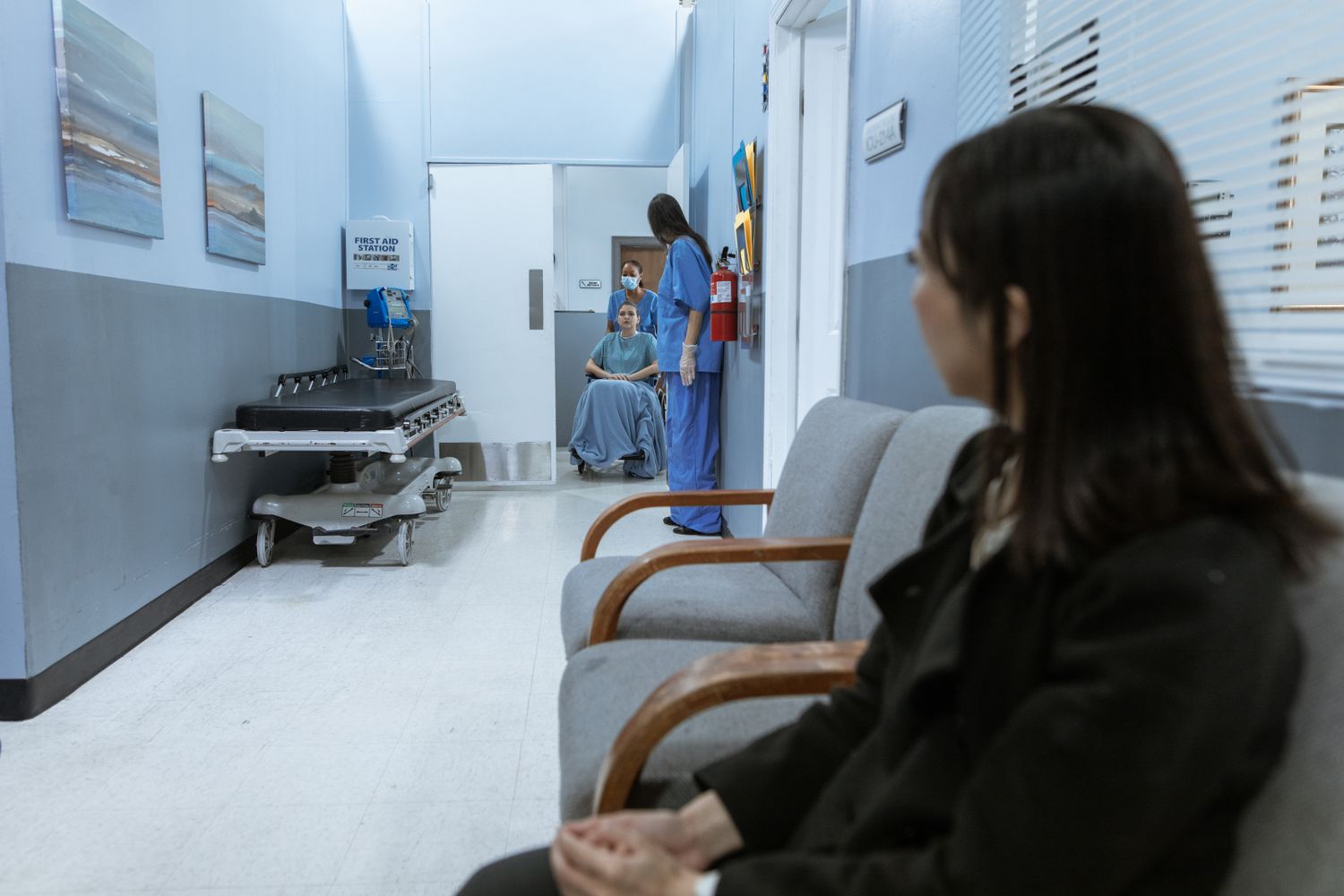
Every specialist, hospitalization, and treatment plan needs to be connected into a single, complete history.

Medical bills, lost income, travel to appointments, and out-of-pocket expenses all belong in the file from day one.

Hours spent caregiving, missed work, and changes to daily family life are part of the claim, not a footnote to it.
Check off what already applies to your situation. Each item you identify is a category a life care planner may need to cost out for your claim.
The medical injury is often only part of what changes. These effects are consistently part of well-documented catastrophic injury claims.

Daily tasks that once required no thought can require assistance, equipment, or a rebuilt home.
Brain injuries can alter memory, judgment, and temperament in ways that affect relationships as much as function.
Ongoing pain management can become a permanent part of daily life, with its own long-term treatment costs.
A career path can be foreclosed entirely, not just interrupted, which changes how lost income is calculated.
Depression, anxiety, and post-traumatic stress are documented, compensable consequences of a catastrophic injury.
Spouses and children absorb caregiving roles that reshape family life for years, sometimes permanently.
These assumptions lead injured families to settle for far less than a case is actually worth.
Multiple policies can sometimes apply, including underinsured motorist coverage, umbrella policies, or claims against additional responsible parties.
Without a life care plan projecting decades of costs, even a substantial number can fall far short of what is actually needed over time.
Life care planners, economists, and vocational experts are routinely retained specifically to calculate and support these figures.
Those coverages are often only a starting point, and a separate third-party claim may still be available depending on how the injury occurred.
Barreto Law Firm works with the medical, vocational, and financial experts a catastrophic claim genuinely requires.
We work with treating physicians and specialists to document the diagnosis, prognosis, and expected course of treatment.
Life care planners and economists project future medical, equipment, and care costs across the person's expected lifespan.
We look beyond the obvious policy to underinsured motorist coverage, umbrella policies, and additional responsible parties.
We prepare every case as if it will go to trial, which is what allows us to negotiate from genuine strength.
A catastrophic injury deserves a claim that accounts for everything still to come. Tell us what happened and we will explain what that should actually include.
Direct answers to the questions families ask most often about serious injury claims in New Jersey.
Injuries that cause permanent disability or lifelong medical dependency are generally treated as catastrophic. This commonly includes traumatic brain injury, spinal cord injury and paralysis, amputation, severe burns, and multiple traumatic injuries from a single incident.
Compensation generally falls into economic damages, such as future medical care and lost earning capacity, and non-economic damages, such as pain, suffering, and loss of enjoyment of life. Life care planners and economists are typically used to project these figures accurately.
A life care plan is a detailed projection, prepared by a qualified expert, of the medical treatment, equipment, and support a person will need for the rest of their life. It is often the central document used to value a catastrophic injury claim.
Yes. New Jersey follows a modified comparative negligence rule. If you are found 50% or less at fault, you can still recover damages, reduced by your percentage of fault. Being found 51% or more at fault bars recovery entirely.
Most personal injury claims must be filed within two years of the incident. If a government or public entity is involved, a notice of claim is generally required within 90 days. These deadlines are strict and should be confirmed early.
Catastrophic injury cases are handled on a contingency fee basis, meaning there are no upfront legal fees. The firm's fee is a percentage of any recovery obtained, and the initial consultation is free.
Most personal injury claims settle before trial, but the value of a catastrophic case often depends on the willingness to litigate. Cases are prepared as though they will be tried, which strengthens the position in negotiation.
Yes, in certain circumstances. Workers' compensation generally prevents a lawsuit against an employer directly, but if a third party, such as a negligent contractor or equipment manufacturer, contributed to the injury, a separate claim against that party may still be available.
Reaching out costs nothing and commits you to nothing. Here is what the process looks like from your side of it.
 Step One
You tell us what happened and how it has changed daily life. No jargon, and no obligation at the end of it.
 Step Two
Medical specialists, life care planners, and economists are engaged to document the full scope of what is needed.
 Step Three
The negotiations, deadlines, and paperwork move to us so your energy can go toward treatment and family.
Contact Barreto Law Firm to discuss the injury, the diagnosis, and the options available under New Jersey law.

