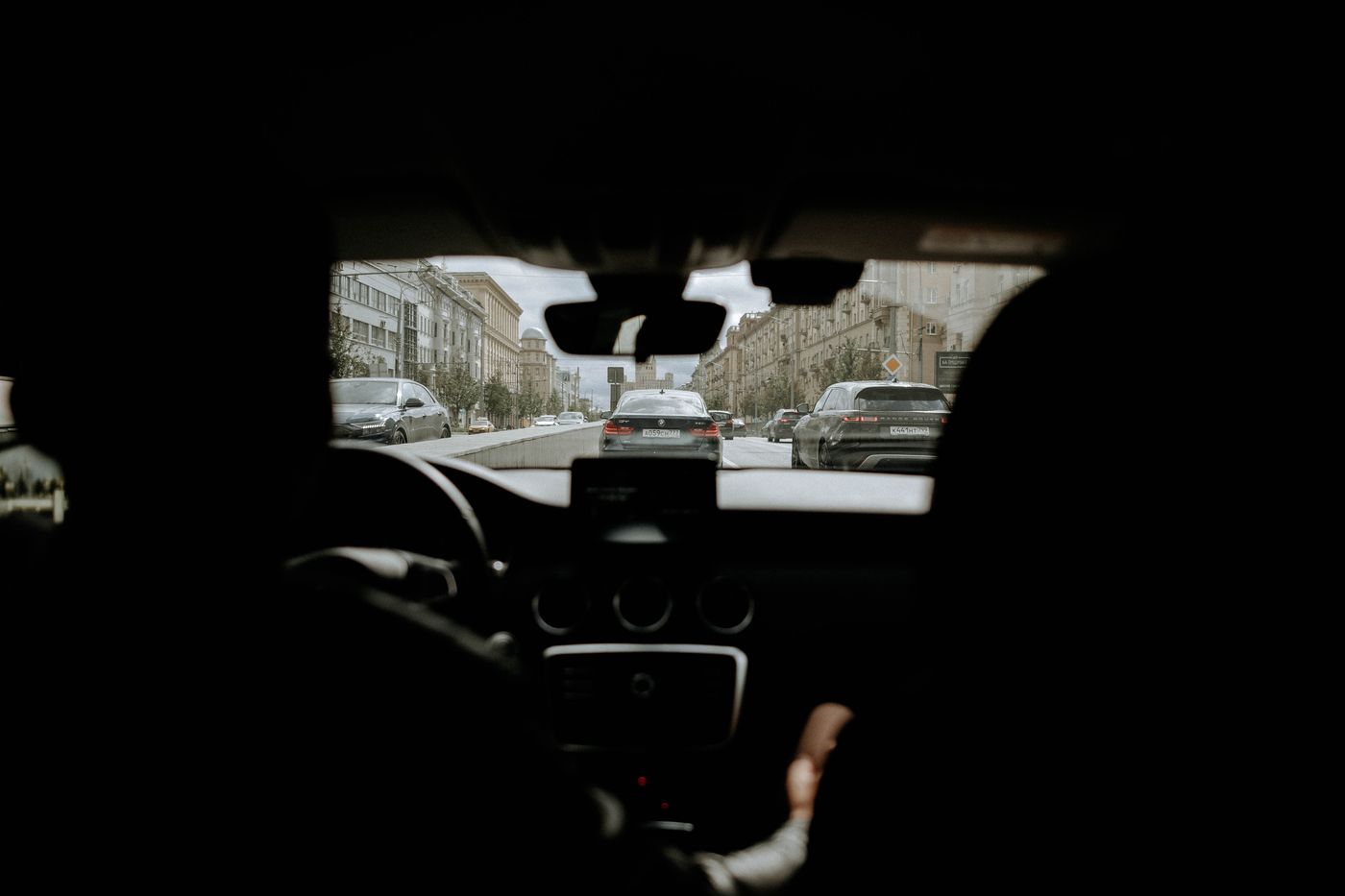
Passengers
You had no control over the vehicle, which usually removes fault from the argument entirely.
After an Uber or Lyft crash, three or four insurance companies may all point at each other while your medical bills arrive on time. Barreto Law Firm works out which policy actually owes you, and deals with the adjusters so you do not have to.
Se habla español · No fee unless we recover on your claim
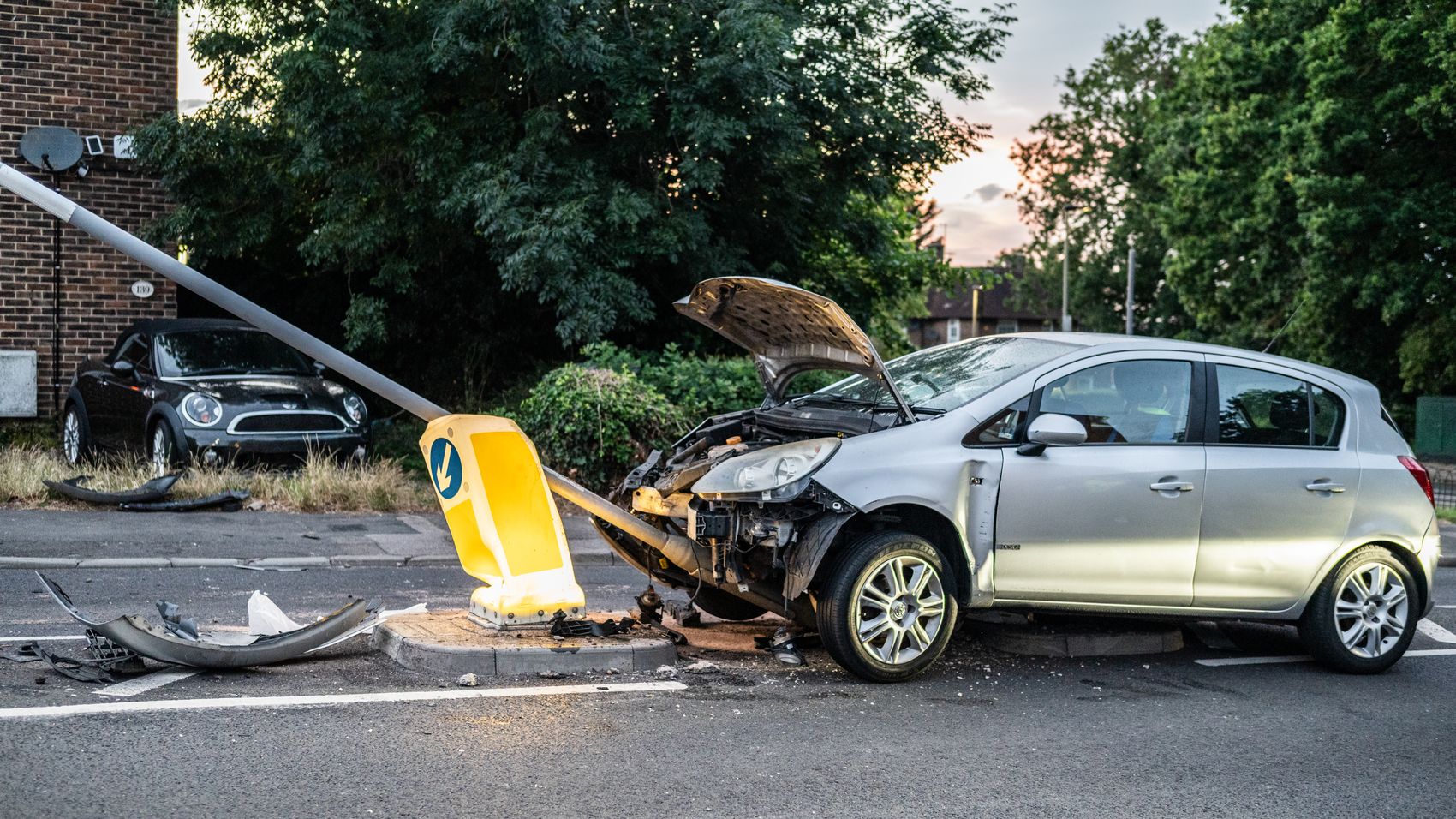
Insurers move faster than injured people do. Understanding their timeline helps you avoid the decisions that quietly weaken a claim.
Vehicles are moved, witnesses leave, and the physical evidence showing how the crash happened disappears.
A police report is generated and the crash is logged in the rideshare platform's system, each with its own account of events.
An adjuster asks for a recorded statement while you are still medicated, not fully examined, and unsure how serious the injury is.
Two questions. In rideshare claims the answer usually turns on who you were and what the driver was doing at the moment of impact.
This tool describes how rideshare coverage is generally structured. It is not legal advice, it does not evaluate your specific claim, and the policy that actually applies depends on facts that must be verified. Speak with an attorney before relying on any of it.
Each one faces a different insurer, a different burden of proof, and a different set of deadlines.
You had no control over the vehicle, which usually removes fault from the argument entirely.
Injured at work but classified as a contractor, often with no insurer stepping forward.

You may be directed to a driver's personal policy when a commercial one should be responding.

Curbside pick-ups, sudden stops, and opening doors put you at risk with no warning at all.
In most rideshare cases nobody argues that you were hurt. They argue about whose policy has to pay for it.Barreto Law Firm · Rockaway Township, New Jersey
A standard collision has one at-fault driver and one insurer. A rideshare crash rarely does.
Platforms classify drivers as independent contractors, which becomes the first argument against company responsibility.
Between logging in and accepting a trip, available protection can narrow sharply, and that gap is where disputes live.
Most personal auto policies exclude commercial activity, so the driver's own insurer may deny the claim outright.
GPS logs, timestamps, and trip acceptance records sit on the platform's servers and are not handed over on request.
A quick cheque often arrives before the full extent of an injury has been medically documented.
Several insurers may contact you separately, each building a file out of your own words.
New Jersey handles auto injuries differently from most states. These rules affect what you can claim and how quickly you have to act.
App records can be archived or become difficult to retrieve. What you save in the first week often decides what can be proved later.
The receipt, driver name, vehicle, timestamps, and route map, all of it, before the history scrolls out of reach.
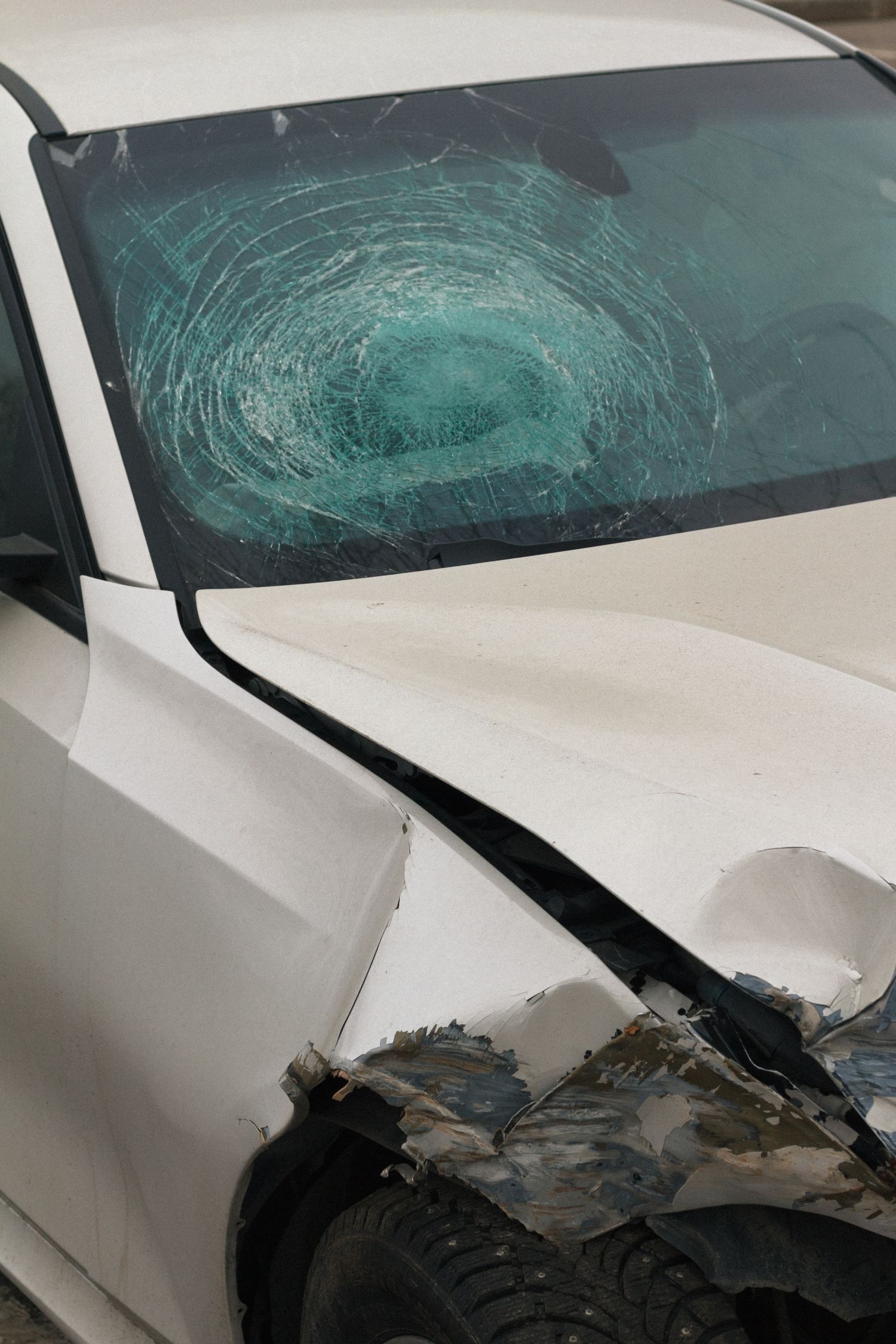
Every vehicle, every angle, the plates, road conditions, and any visible injuries, while it is safe to do so.
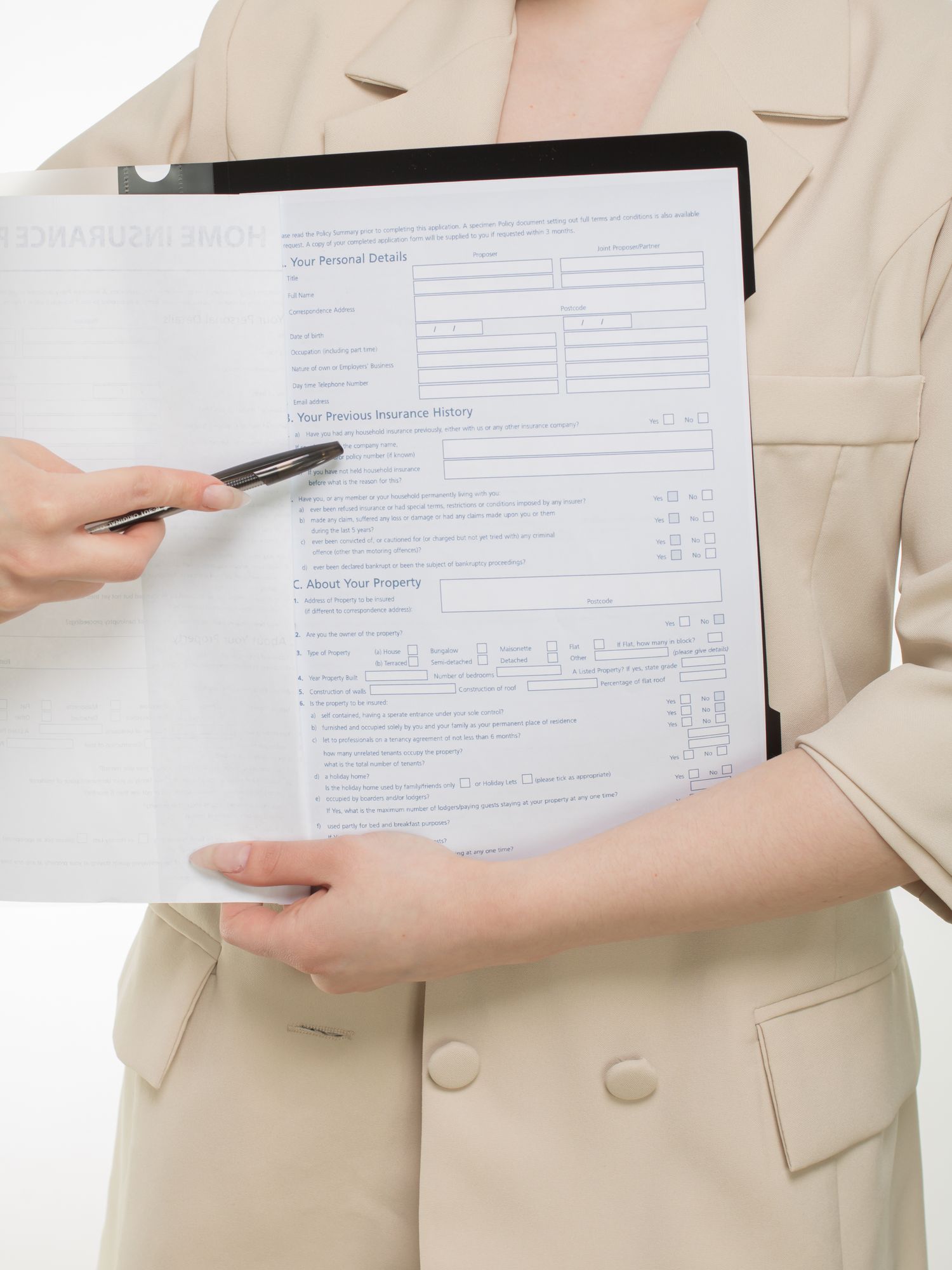
Police report, medical records, bills, and every letter or email an insurer sends you.
Start ticking off what you already have. Anything still missing is worth chasing this week, since most of it becomes harder to obtain with every day that passes.
Rear seats often lack the airbag systems built into the front of a vehicle, and the injuries that follow can take months of treatment.
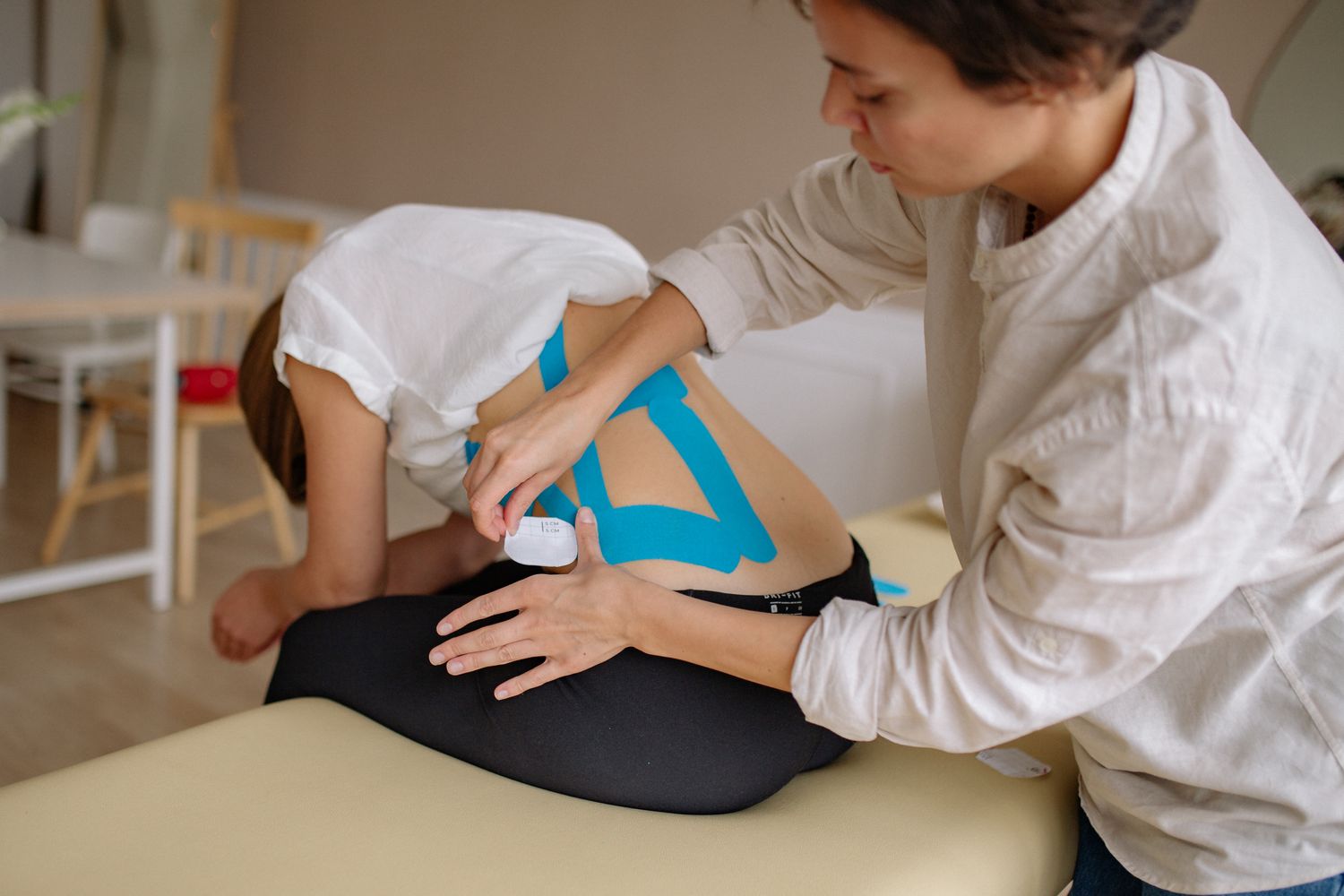
Sudden deceleration strains soft tissue, discs, and the cervical spine, frequently with delayed symptoms.
Contact with a window, door frame, or seat back can cause a brain injury at moderate speeds.
Wrists, ribs, and lower limbs break when the body is thrown forward or sideways against a hard surface.
Impact against the seat in front or the door panel tears joints and leads to long rehabilitation.
Broken glass and unsecured objects inside the cabin cause cuts that need immediate attention.
Anxiety about travelling, broken sleep, and avoidance of vehicles are documented consequences of a crash.
These four assumptions cost injured people more than any other misunderstanding we come across.
Passengers are frequently in the strongest position of anyone involved, because there is no realistic argument that they contributed to the collision.
Coverage existing and coverage responding are different things. Whether a policy applies depends on the driver's status, and that status has to be established with records.
Adrenaline masks soft-tissue and head injuries for hours or days. A delay in seeking care is also one of the most common reasons a claim is challenged later.
A recorded statement taken before you are diagnosed becomes a fixed account of an injury you did not yet understand. You are generally not required to give one immediately.
Barreto Law Firm reconstructs the ride, identifies every policy in play, and handles the carriers so you can concentrate on treatment.
We establish what the driver was doing at the moment of impact using app records, the police report, and witness accounts.
Personal, commercial, third-party, and your own coverage are identified and placed in order of priority.
Records, imaging, bills, and treatment history together show the real effect of the crash on your life.
Every adjuster call and letter comes to us. You stop negotiating and go back to recovering.
That is the part we do. Tell us what happened and we will explain, in plain terms, where your claim actually stands.
General information about Uber and Lyft accident claims in New Jersey.
Passengers are generally not responsible for how a collision occurs, which often places them in a strong position. Depending on the facts, a claim may involve the rideshare driver, another motorist, or more than one insurance policy at once.
In New Jersey, auto-related medical expenses are commonly addressed first through Personal Injury Protection coverage. Which PIP policy responds depends on your own insurance and your role in the ride, so the specifics need to be reviewed.
Yes, considerably. Platform coverage generally depends on whether the driver was offline, logged in and awaiting a request, en route to a pick-up, or transporting a passenger. Establishing that status is usually one of the first steps in the claim.
You are generally not obligated to give a recorded statement to another party's insurer straight away. Because those statements are taken before most people know the extent of their injuries, it is worth speaking with an attorney first.
Statutory deadlines apply to personal injury claims, and much shorter notice requirements apply where a public entity is involved. These limits are strict, so they should be confirmed early with a qualified attorney.
Personal injury matters are handled on a contingency fee basis, meaning the firm's fee is a percentage of any recovery obtained. The initial consultation is free and fee terms are set out in writing before you engage the firm.
Rideshare drivers injured by another motorist may have a claim against that driver, and additional coverage may apply depending on their status in the app when the collision occurred.
You can call the firm directly, submit your details through the free consultation page, or send a message via the contact page to have your situation reviewed.
Reaching out costs you nothing and commits you to nothing. Here is what the process actually looks like from your side of it.
 Step One
You tell us what happened in your own words. No forms, no jargon, and no obligation to hire anyone at the end of it.
 Step Two
Trip records, the police report, and witness accounts are gathered to establish exactly what the driver was doing.
 Step Three
The calls, letters, and negotiations move to us so your attention can stay where it belongs, on recovering.
Contact Barreto Law Firm to discuss the collision, your injuries, and the options available to you under New Jersey law.

