

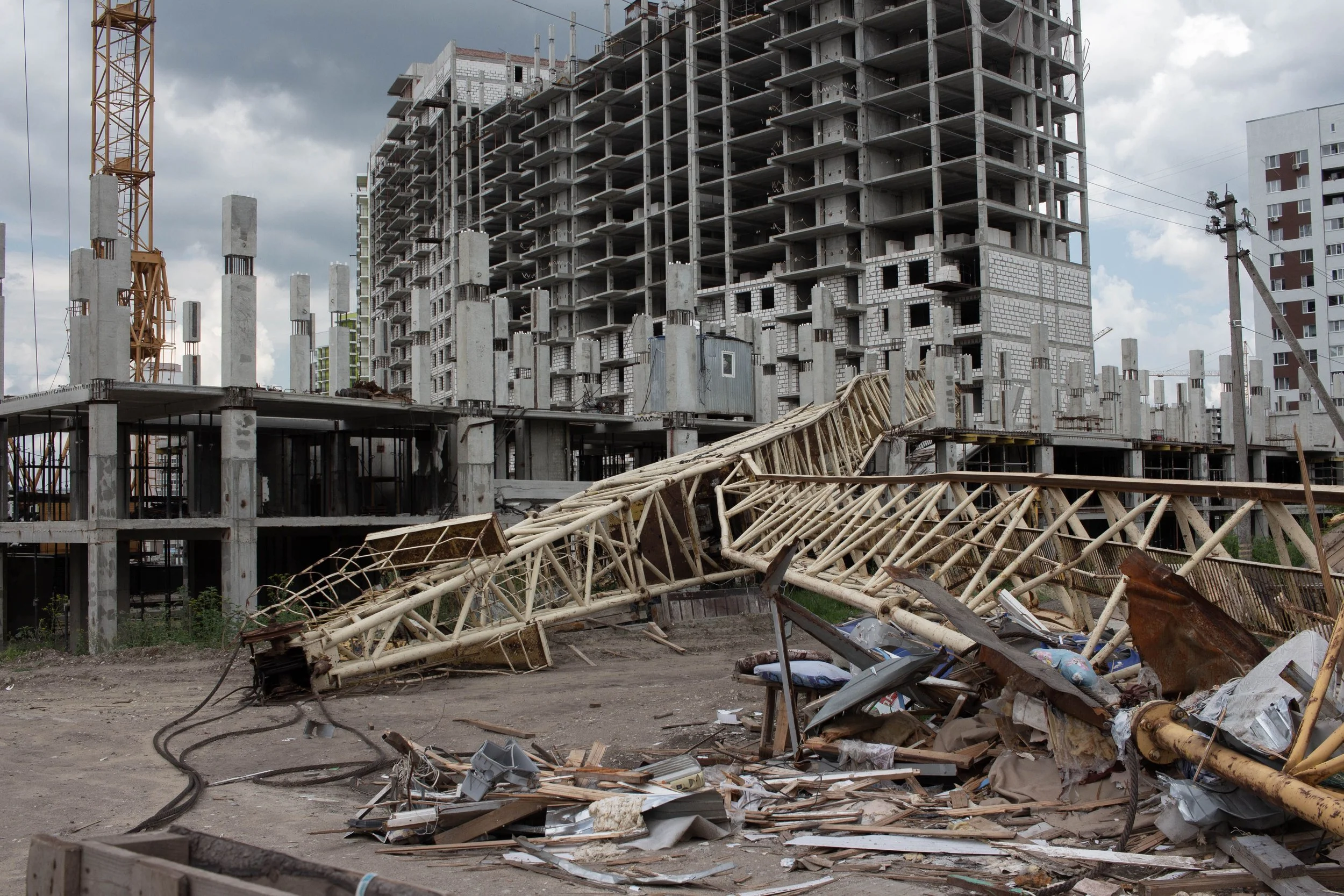
Construction Site Accident Lawyer
When A Job Site Turns Dangerous.
Construction sites involve heavy machinery, elevated work, scaffolding, tools and constantly changing conditions. When an accident causes serious injury, the legal issues can be just as complicated as the accident itself.
Different Hazards Can Create Very Different Injuries.
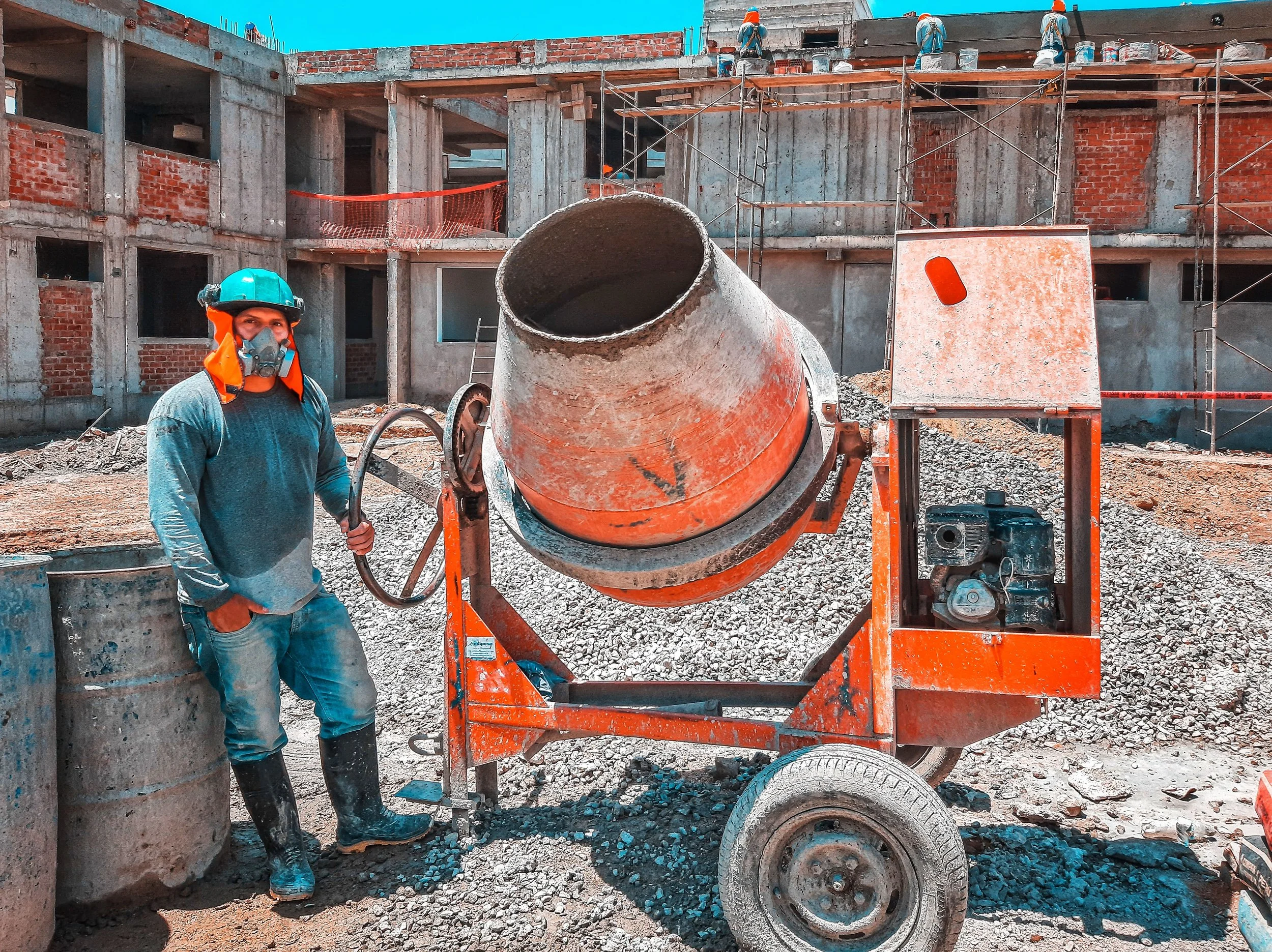
Construction work includes elevated surfaces, heavy machinery, moving equipment and constantly changing work areas. Each accident needs to be examined on its facts.
Scaffold & Elevated Work Accidents
Scaffolding, platforms and elevated work areas can become dangerous when access, supports or protective measures fail.
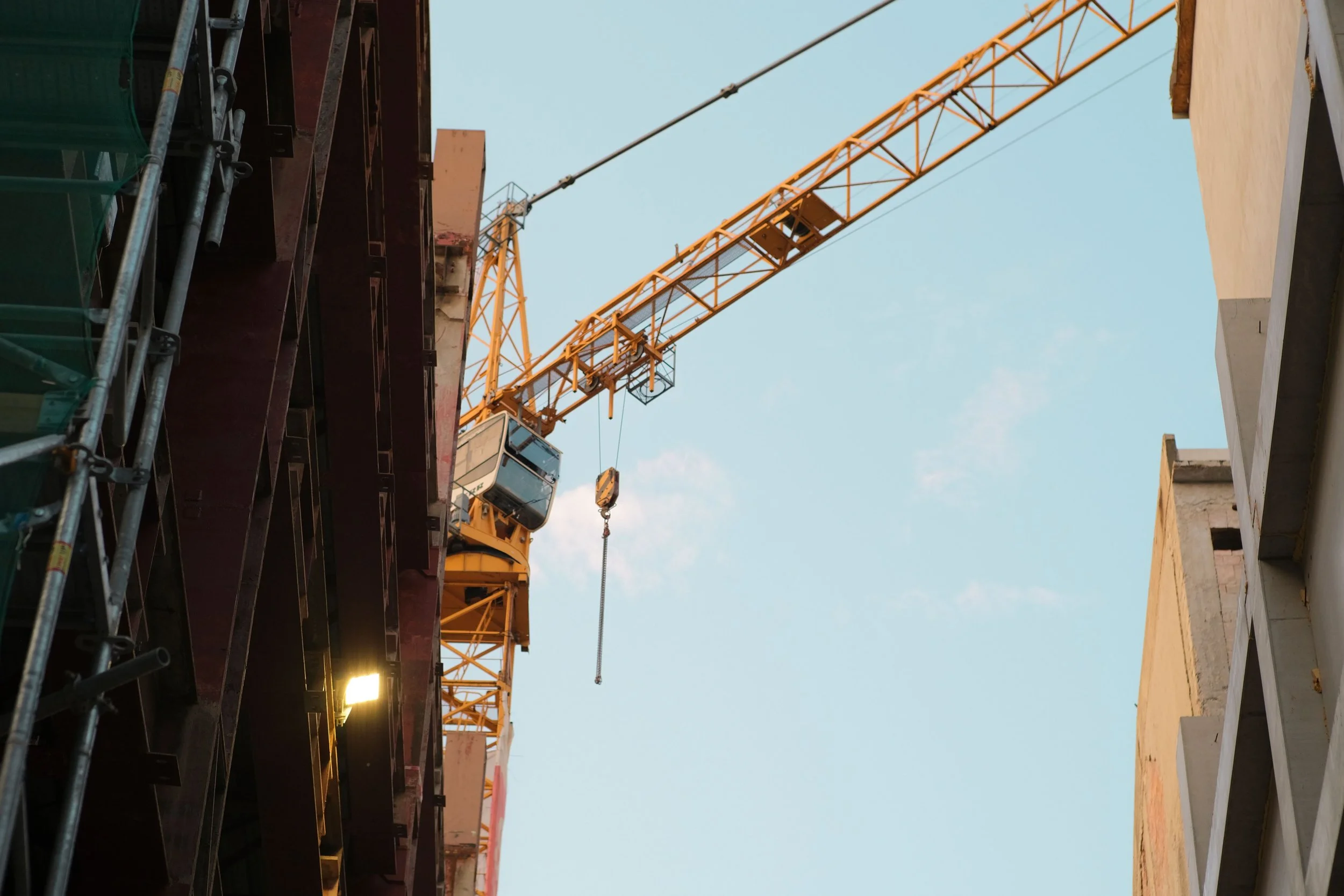
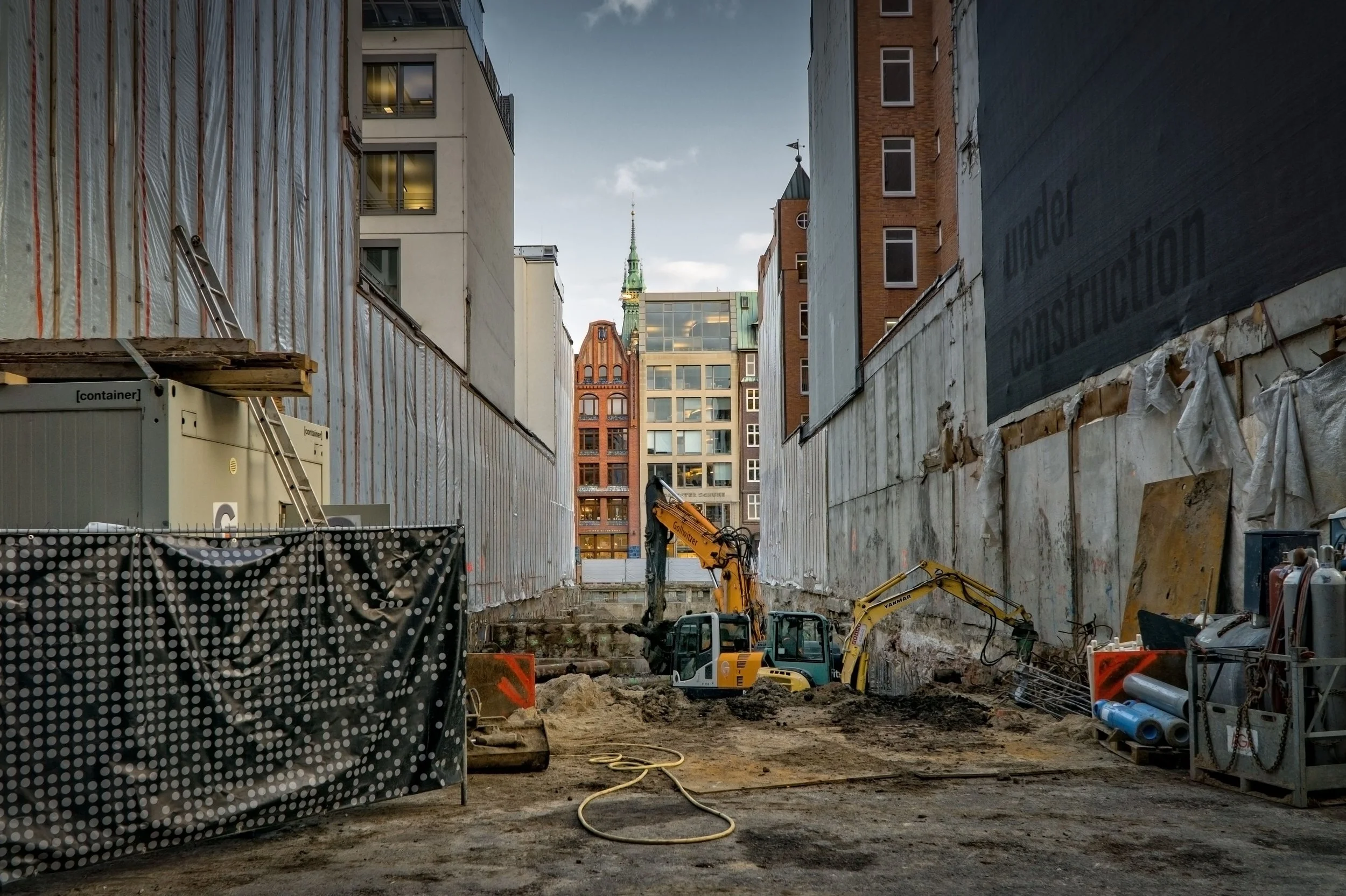
Heavy Equipment Accidents
Excavators and other large machinery can create serious risks when equipment, operators or site procedures fail.
Falls & Elevated Equipment
Boom lifts, ladders and elevated work platforms can expose workers to serious fall and equipment risks.
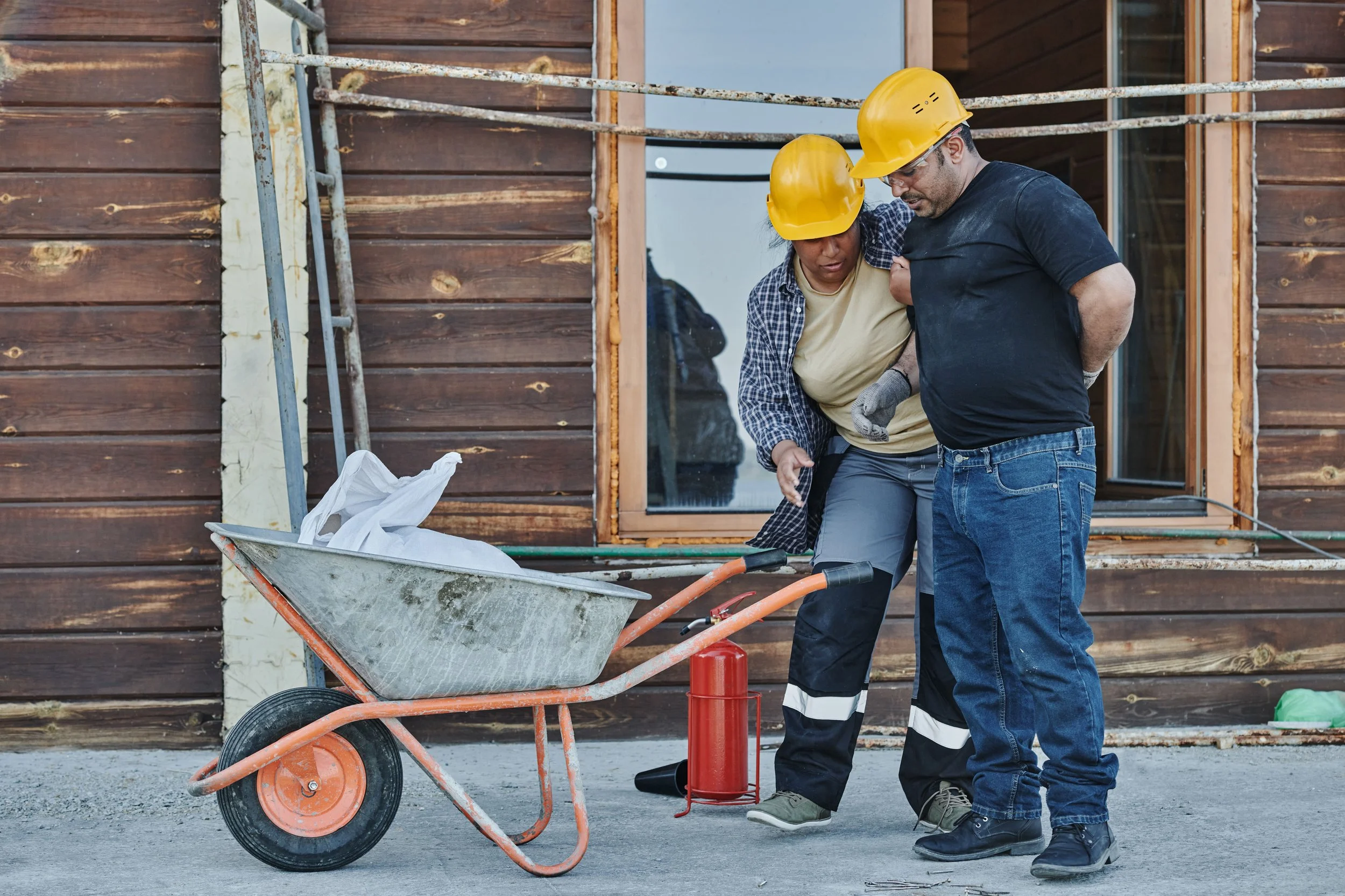
A Construction Accident Can Affect Much More Than Your Job.
A construction injury may happen in a moment, but the consequences can continue long after the accident scene.
An injured worker or bystander may face medical treatment, rehabilitation, time away from work and difficult questions about who may be responsible.
Scaffolding and elevated-work accidents
Heavy equipment and machinery incidents
Falling objects and construction materials
Structural or work-platform failures
Serious workplace injuries
Injuries involving workers or site visitors
Serving Clients Across New Jersey & Nearby Areas
At Barreto Law Firm, we believe legal counsel should be accessible and convenient. Whether you prefer a face-to-face meeting at our office or a confidential discussion from the comfort of your home, we adapt to your needs. We welcome clients for in-person consultations to review case details thoroughly, while also offering fully secure video and phone meetings for those who prefer remote assistance.
Construction worker third-party lawsuit NJ
Claims beyond workers' comp
Yes, you may be able to do more than collect workers' comp. In New Jersey, you generally cannot sue your own employer for a job injury, but you may be able to file a third-party claim against someone else who caused it. A construction worker third-party lawsuit in NJ can be filed against a contractor, a property owner, or an equipment maker.
Workers' comp
Paid by your employer's insurance.
You do not have to prove fault.
Covers medical care and part of lost wages.
Third-party lawsuit
Filed against a contractor, owner, or maker.
You must show someone was negligent.
May add pain and suffering and fuller lost wages.
You can often do both. The workers' comp carrier may be repaid part of what it paid out of a third-party recovery, so an early review matters. Most NJ injury lawsuits must be filed within 2 years.
OSHA Violations and Construction Site Accidents in New Jersey
Quick answer: OSHA sets workplace safety standards for construction sites. When a safety rule is ignored and a worker is hurt, that violation can be important evidence about what went wrong. An OSHA violation does not automatically create a lawsuit, but it can help show who failed to keep the site safe, and which claims may be available to you.
Construction work is dangerous, and many serious accidents trace back to missing safety equipment, poor training, or rushed work. If you were hurt on a job site, it helps to understand how safety rules fit into your claim.
Common safety problems on construction sites
Falls from ladders, scaffolds, and roofs without proper protection
Being struck by falling tools, materials, or moving equipment
Electrical hazards and exposed wiring
Being caught in or between machinery, trenches, or materials
Missing or poorly maintained protective gear
Lack of safety training or supervision
How OSHA violations can matter to your case
OSHA reports and inspection records can show what safety rules were broken.
They can point to who controlled the site, the equipment, or the work.
They can support a claim against someone other than your employer.
Photos, witness names, and training records can add to the picture.
Workers' compensation and other claims
Most injured workers can receive workers' compensation benefits, even if safety rules were not followed. In some cases, another company may also be responsible, such as a general contractor, a subcontractor, a property owner, or an equipment maker. A separate claim against that company may be possible. A lawyer can review who may be responsible in your situation.
Common questions
-
Yes. Workers can report unsafe conditions. Retaliation for raising safety concerns is against the law, so tell a lawyer if you were punished for speaking up.
-
No. A violation can be strong evidence, but each claim still depends on the facts, who was responsible, and the type of claim involved.
-
Get medical care, report the injury to your employer, take photos if you can, and write down the names of witnesses. Speak with a lawyer before signing any forms or giving a recorded statement.
Please note: Strict deadlines apply to workers' compensation and injury claims. The sooner you speak with a lawyer, the easier it can be to protect the evidence. No result can be promised.
Construction Injury Claims Require Attention To The Details.
A serious accident may require more than determining what happened. The legal team may need to understand the worksite, documentation, equipment, parties involved and full impact of the injury.
01
Review The Worksite
Understand the conditions that existed when the accident occurred.
02
Identify Potentially Responsible Parties
Construction projects can involve employers, contractors, owners and manufacturers.
03
Gather Documentation
Medical records, incident reports, photographs and witness information can be important evidence.
04
Address Insurance Issues
Insurance communications can become complicated when injuries are substantial.
Frequently Asked Questions
-
Construction accidents can involve scaffolding incidents, falls, heavy equipment, falling materials, structural problems and other job-site hazards.
-
Yes. Depending on the circumstances, an employee injured while working may have a workers' compensation claim. Other claims may also need to be evaluated.
-
Construction projects can involve multiple parties. Depending on the facts, another contractor, property owner, equipment manufacturer or other party may need to be considered.
-
Seek appropriate medical attention, report the incident through the applicable process, preserve relevant information and consider speaking with an attorney.
-
Photographs, medical records, witness details, reports and other documentation may help establish what happened and the effect of the injury.
-
You can contact Barreto Law Firm through the existing Contact or Free Consultation pages, or call (862) 418-3389.