

Delivery Truck & Commercial Fleet Accident Lawyer
A collision involving a delivery truck or company vehicle can leave you dealing with injuries, lost income, and complicated insurance questions. Understanding who may be responsible is an important part of evaluating your options.
Who may be responsible for a fleet vehicle crash?
The driver's actions are only one part of the investigation. Depending on the circumstances, other people or businesses may also need to be considered.
Speeding, distraction, unsafe turns, following too closely, or failing to check blind spots may contribute to a collision.
01: The Driver
The driver's work status, assigned duties, and the employer's role may be relevant when assessing potential responsibility.
02: The Employer
Ownership, maintenance history, and the condition of the vehicle may raise additional questions about liability.
03: The Vehicle Owner
Others, such as maintenance companies, cargo handlers, manufacturers, or other drivers, may share liability.
04: Other Involved Parties
Amazon delivery accident lawyer
Package delivery has put thousands of vans on New Jersey roads. If you were hurt in a crash with an Amazon, UPS, or FedEx delivery vehicle, the driver may not be the only one responsible. Many delivery drivers work for outside delivery companies or contractors, so who is responsible depends on the facts. As an Amazon delivery accident lawyer, and as a UPS truck accident lawyer and FedEx truck accident lawyer in NJ, Attorney Elizabeth Barreto can review your case and explain your options.
Delivery vans and last-mile drivers
Amazon delivery accident lawyer. Many Amazon vans are run by independent delivery companies, so more than one party may be involved.
UPS truck accident lawyer NJ. Busy routes and tight schedules can play a part, so we look into every factor.
FedEx truck accident lawyer NJ. FedEx uses its own drivers plus contracted ones, so we look into who was in control.
Food Delivery Driver Accidents in New Jersey: DoorDash, Uber Eats, and More
If you were hurt in a crash involving a food delivery driver, such as one working for DoorDash or Uber Eats, you may have more than one possible source of insurance coverage. Which coverage applies can depend on whether the driver was logged in to the app, was on a delivery, or was off duty at the time. These claims can be complicated, so it helps to speak with a lawyer early.
Food delivery drivers are often rushing, using their phones for directions, and driving in unfamiliar areas. That can raise the risk of crashes. It can also raise hard questions about who is responsible.
Who may be involved in the claim
The delivery driver
The delivery app or company the driver was working for
The driver's own personal auto insurance
Commercial or contingent insurance the company may carry
A restaurant or other business, in some cases
Why these accidents are complicated
Many drivers are treated as independent contractors, and the company may deny responsibility.
Personal auto policies may limit or exclude coverage for delivery work.
Coverage may depend on the driver's status in the app at the moment of the crash.
Insurers may point fingers at each other instead of paying the claim.
Common questions
If you are a delivery driver who was hurt
Drivers can be injured too. Depending on the facts, you may have options through another driver's insurance, your own coverage, or the company's coverage. Report the crash, get medical care, and avoid giving a recorded statement before you understand your rights.
What helps your claim
Photos of the vehicles, the scene, and your injuries
The driver's name, vehicle, and which app or company they worked for
Police report and witness contact information
Screenshots or records showing the delivery, if available
Medical records and bills
-
It depends on the facts. Companies often say drivers are independent contractors, but that is not always the end of the question. A lawyer can review who may be responsible.
-
That can matter for insurance. Records from the app may help show whether the driver was on a delivery. Do not assume the first answer you receive is final.
-
Not always. Some personal policies limit coverage for work use, which is why other coverage may need to be reviewed.
NJ Bus Accident Lawyer
Quick answer: An NJ bus accident lawyer helps people hurt on or by a bus, including NJ Transit buses, charter buses, shuttles, and company buses. We find out who is responsible, deal with the insurance companies, and work to protect your claim before deadlines pass.
Buses are large commercial vehicles, and a crash or sudden stop can cause serious injuries to passengers, other drivers, and pedestrians. When the bus belongs to a public agency like NJ Transit, special notice rules and short deadlines can apply, so it helps to speak with an attorney early.
Bus accidents we look into
NJ Transit bus crashes and sudden stops
Charter, tour, and shuttle bus accidents
Company and contractor-operated buses
Passengers hurt while boarding or leaving
Pedestrians and drivers hit by a bus
Who may be responsible
The bus driver, for distracted, tired, or careless driving
The transit agency or bus company, for training, scheduling, and safety
A maintenance contractor, for faulty repairs
Another driver who caused the crash
What to do after a bus accident
Get medical care, even if you feel fine
Report the accident to the driver or staff
Take photos and get names of witnesses
Keep your ticket, pass, and medical records
Call us before giving a recorded statement
Please note: claims against NJ Transit and other public entities can require written notice within a short time. Exceptions can apply, so do not wait to ask about your options.
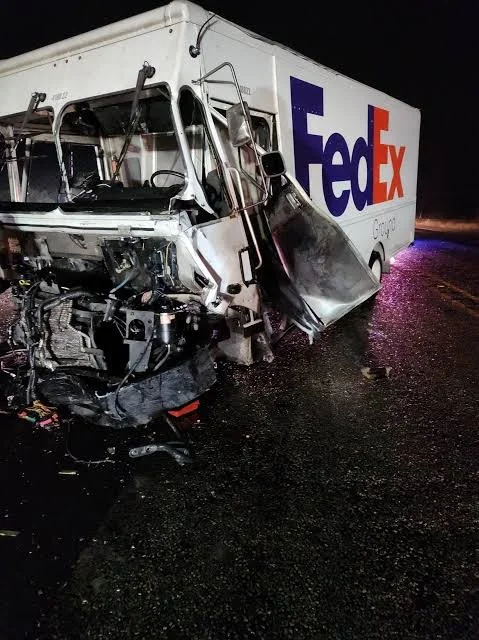
Records can help explain how the crash occurred.
Relevant information may be held by several people or businesses. Depending on the incident, useful evidence may include:
Photographs of the vehicles, road, and visible damagePolice reports and witness contact informationAvailable dashcam, surveillance, or delivery-vehicle footageDriver logs, dispatch details, or work-related records when relevantVehicle inspection and maintenance records where applicable
After the CollisionPractical steps to consider.
Your health and safety come first. If you have been involved in a collision with a commercial vehicle, these steps may help you keep important information organized.
STEP 01
Get Medical Care
Seek prompt medical attention and follow your healthcare provider's recommendations.
STEP 02
Keep the Details
Save photographs, contact details, incident information, and relevant communications.
STEP 03
Preserve Records
Keep medical bills, repair estimates, receipts, and information related to missed work.
STEP 04
Review Your Options
Consider getting legal guidance about responsibility, insurance, and potential next steps.
Commercial fleet accident FAQs
The answer to each question depends on the details of the collision, the available evidence, and the law that applies.
-
A company may be responsible in some circumstances, including certain crashes involving employees performing work duties. The relationship between the driver and company, the driver's activities, and the facts of the incident all matter.
-
Work status, the purpose of the trip, and the driver's relationship with the business may affect how responsibility is evaluated. Employment alone does not automatically establish company liability.
-
Photographs, witness details, incident reports, video footage, medical documentation, and relevant vehicle or work records may help clarify what happened. The useful evidence varies by case.
-
Delivery work may involve independent contractors, subcontractors, or third-party fleet operators. The contracts, actual working relationship, insurance arrangements, and applicable law may need to be reviewed.
-
Deadlines depend on the circumstances and may differ for claims involving public entities or other special situations. Do not assume a deadline without checking the rules that apply to your case with a qualified attorney.
Barreto Law Firm
Questions after a commercial vehicle accident?
Learn more about your potential legal options after a delivery truck or company fleet collision in New Jersey.