

Injured in a Slip & Fall?
A sudden fall can result in serious injuries, medical expenses, missed work, and uncertainty about what to do next. Barreto Law Firm helps injured people understand their legal options and pursue the compensation they may be entitled to.
Slip & Fall Injury
Dangerous Conditions Can Lead to Serious Injuries
The condition of the area where a fall occurred may be important when determining what happened and whether another party may have contributed to the accident.

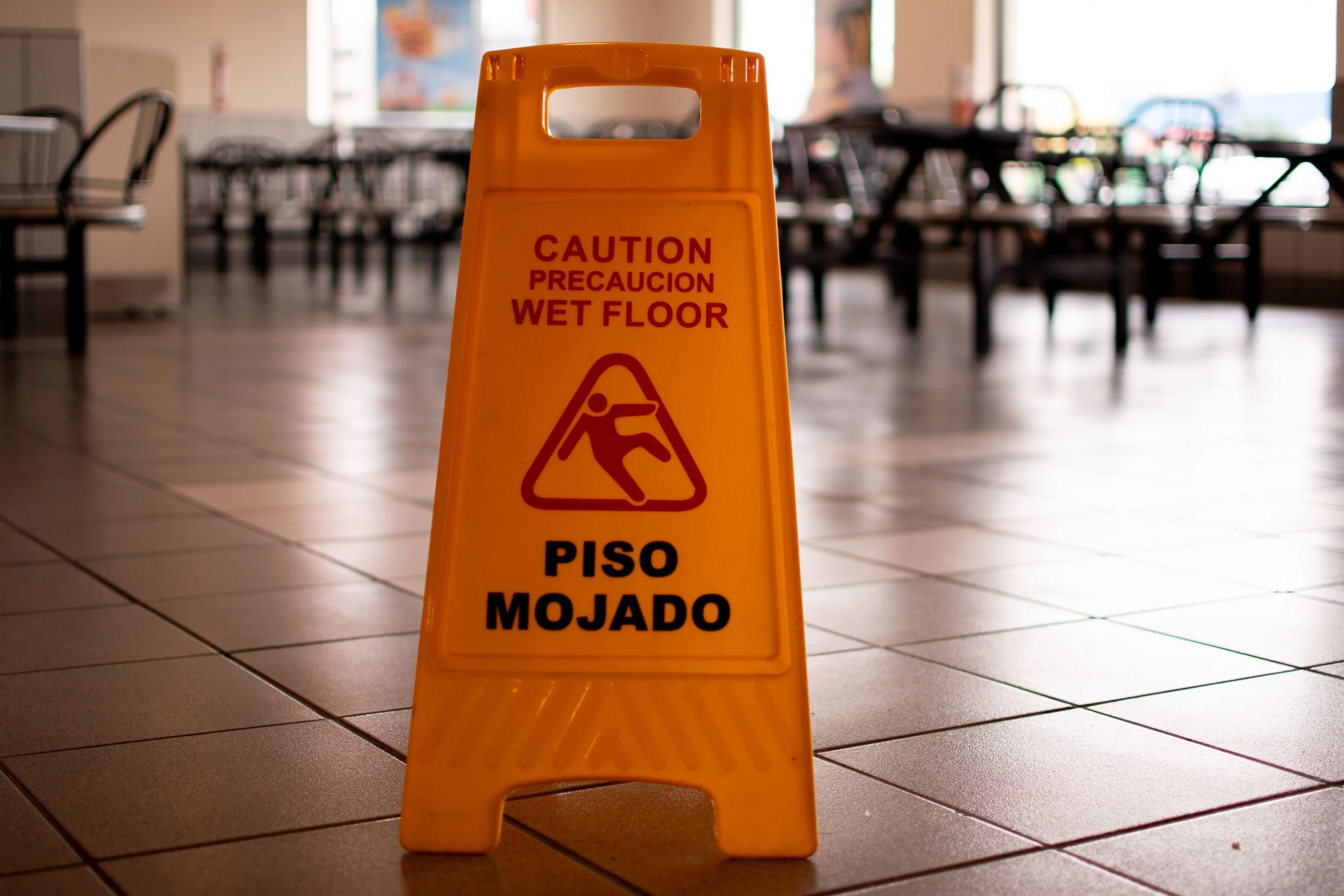
Wet & Slippery Floors
Spills, leaks, recently cleaned floors, or other slippery conditions can create dangerous walking surfaces.
Stairs & Steps
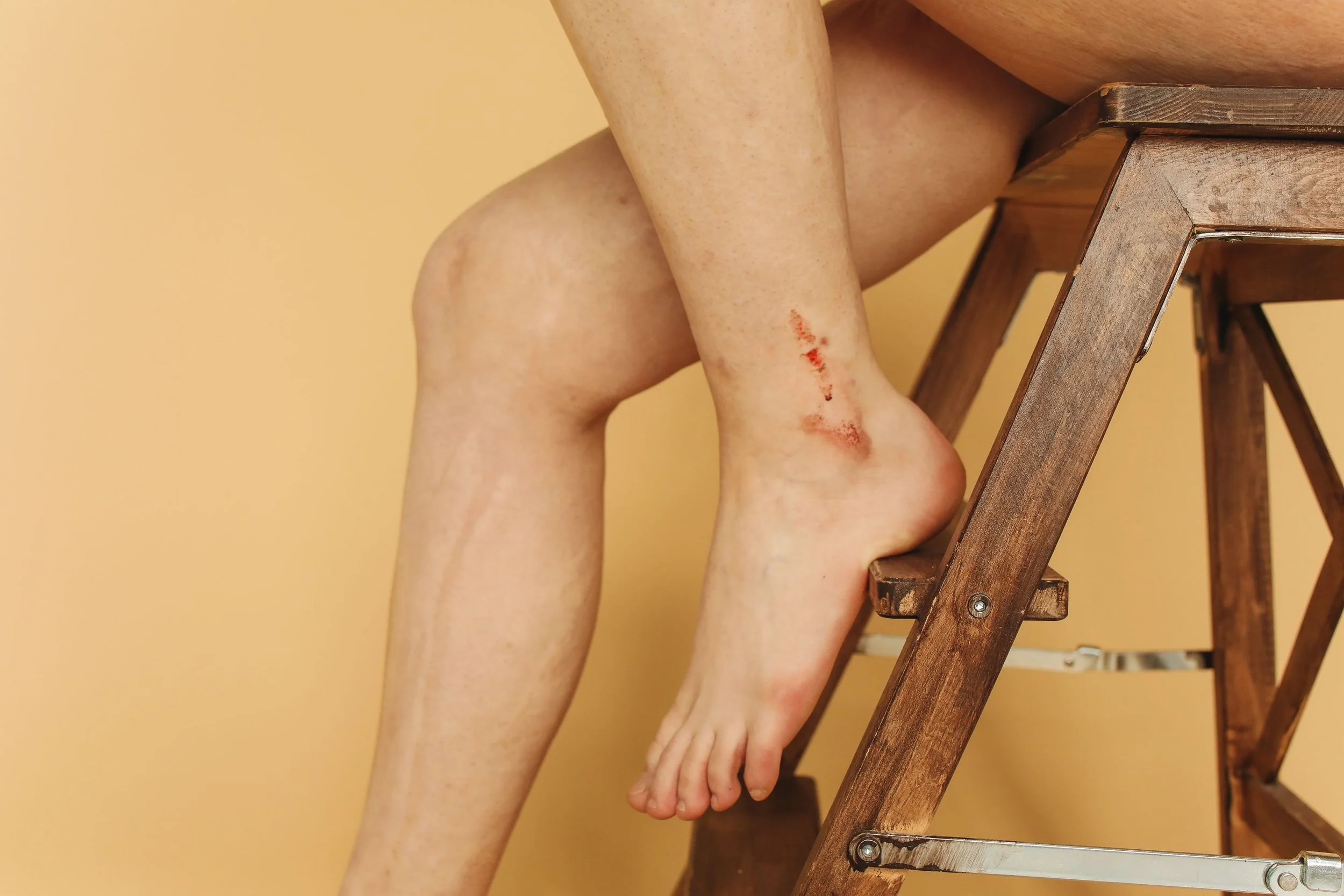
Poor lighting, damaged steps, missing handrails, or other conditions may increase the risk of a serious fall.
Cracked Walkways
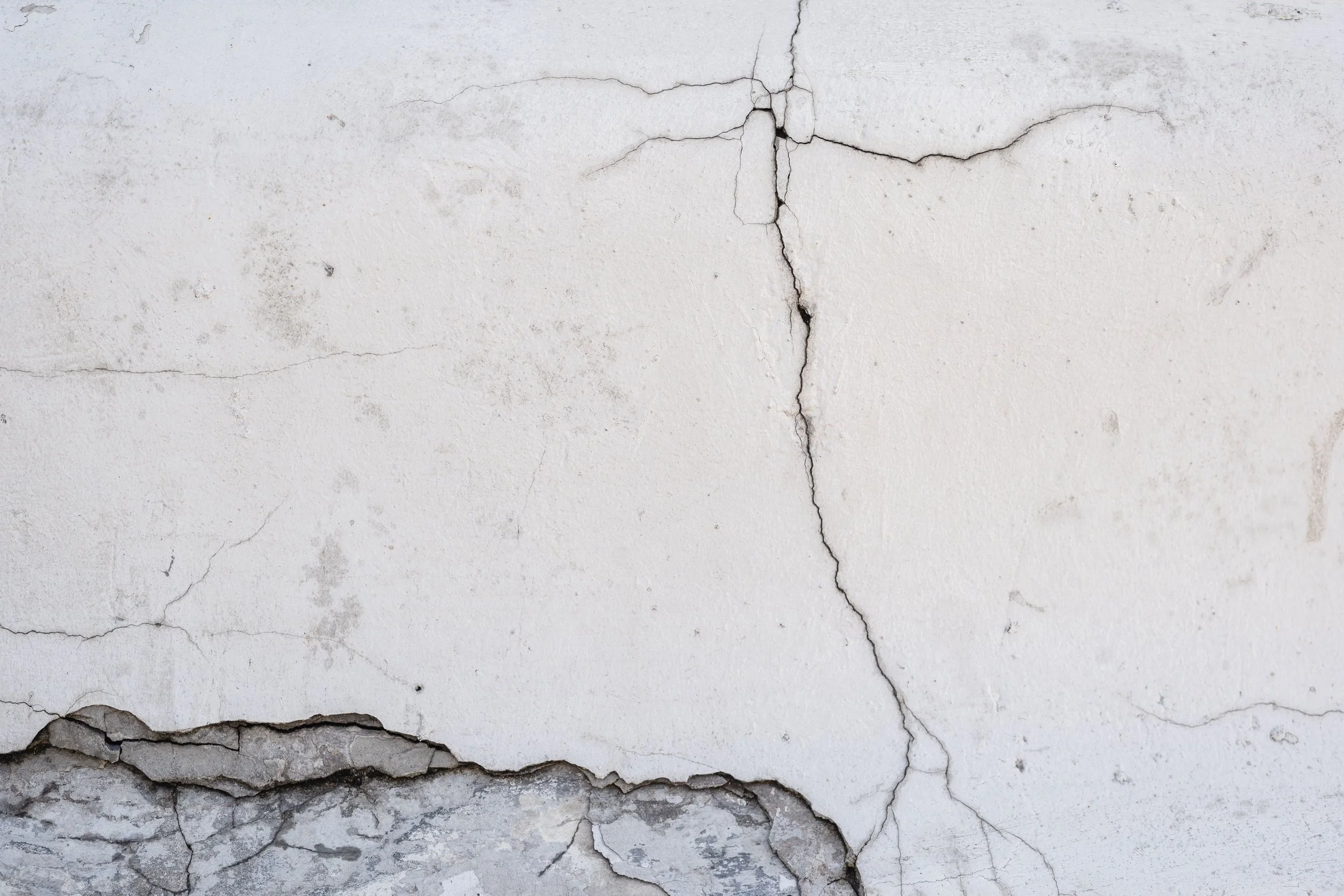
Uneven pavement, broken surfaces, potholes, and other walkway hazards can contribute to trips and falls.
A Slip & Fall Can Cause More Than a Moment of Pain
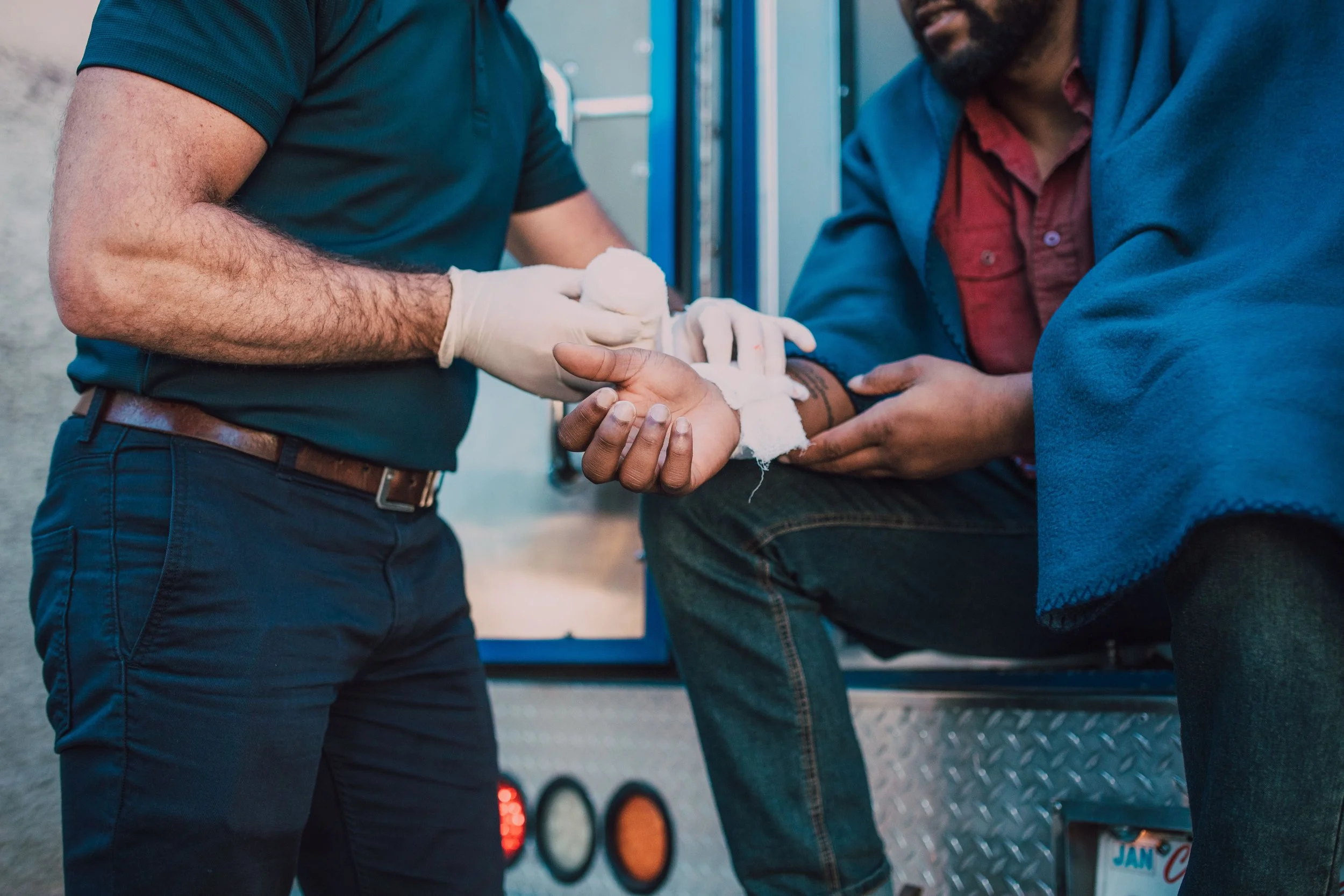
A fall can affect your health, work, finances, and everyday life. Some injuries may require emergency treatment, rehabilitation, follow-up care, or time away from work.
If another party's negligence contributed to the condition that caused your fall, understanding the circumstances and preserving important evidence can be important.
Falls in stores and commercial locations
Falls on stairs, walkways, or other surfaces
Wet, slippery, damaged, or poorly maintained areas
Injuries requiring medical treatment or rehabilitation
When a Fall Changes Your Day
What Is a Slip and Fall Settlement Worth in New Jersey?
Quick answer: There is no true "average" slip and fall settlement in New Jersey. Cases vary widely. The value usually depends on how serious your injuries are, how long you need treatment, how much work you miss, and whether the property owner can be shown to be responsible. Anyone who promises a specific amount before reviewing your case should not be trusted.
Searching for an average number is understandable, but it can be misleading. Two falls that look alike can lead to very different results because of the injuries, the evidence, and the insurance involved.
What can affect settlement value
The type and severity of your injuries
Medical bills, past and future
Time missed from work and lost income
Whether you need ongoing care, therapy, or surgery
How clearly the owner knew or should have known about the hazard
The insurance coverage available
Whether you were partly at fault
What a claim may include
Medical treatment and rehabilitation
Lost wages and reduced earning ability
Pain, suffering, and loss of enjoyment of life
What can lower a claim
Gaps in medical treatment
Delays in reporting the fall
Little or no evidence of the hazard
Comments to an insurer that blame yourself
Signing a quick settlement before you know the full extent of your injuries
What to do now to protect your claim
Get medical care and follow your doctor's treatment plan.
Report the fall to the owner or manager and ask for a copy of the incident report.
Take photos of the hazard, the area, and your injuries.
Write down the names of witnesses.
Keep your shoes, medical bills, and records.
Do not sign anything or give a recorded statement before speaking with a lawyer.
How we can help
Review your injuries, records, and the evidence
Identify who may be responsible for the property
Handle calls and paperwork with the insurance company
Explain your options before you accept any offer
Please note: Strict deadlines apply to injury claims, including claims against government property owners, which can have special rules. Every case is different, and no result can be promised.
Slip and Fall on Ice or Snow in New Jersey
If you slip and fall on ice or snow in New Jersey, the property owner may or may not be responsible. It often depends on the type of property, who was responsible for clearing it, and whether the owner had a reasonable time to deal with the hazard. Commercial property owners are generally held to a higher standard than owners of private homes, but every case depends on its own facts.
New Jersey winters make icy parking lots, steps, and sidewalks a real risk. A fall on ice can cause serious injuries, and the question of who should have cleared the area is often disputed
Where icy falls often happen
Store and shopping center parking lots
Apartment complex walkways, steps, and entrances
Office building entrances and sidewalks
Restaurants, gas stations, and other businesses
Public sidewalks and government-owned property
What can affect who is responsible
Whether the property is commercial, residential, or public
Who owned, leased, or controlled the area
How long the snow or ice had been there
Whether the owner had a reasonable time to clear or treat it after the storm
Whether the owner or a snow contractor failed to salt or plow
Local rules about clearing sidewalks, which can vary by town
What to do after a fall on ice
Get medical care, even if the pain seems minor at first
Report the fall to the owner or manager and ask for a copy of the report
Take photos of the ice or snow, the area, and your injuries
Note the date, time, and weather conditions
Write down the names of witnesses
Keep the shoes you were wearing
Do not sign anything or give a recorded statement before speaking with a lawyer
Common questions
-
You may have a claim if the property owner or manager failed to take reasonable steps to deal with the hazard. A lawyer can review the facts and tell you whether a claim may apply.
-
Owners are generally given a reasonable time after a storm to respond, so timing can matter. The details of the storm and the property are important.
-
Rules for private homes can be different from rules for businesses. It depends on the property and the facts, so speak with a lawyer.

Slip and fall accidents can happen in many different public and commercial settings. The circumstances of the location may help determine what evidence should be reviewed.
Grocery stores and retail businesses
Restaurants and commercial buildings
Apartment complexes and shared areas
Parking lots, sidewalks, and entrances
Public spaces and other locations
Injured in a Store or Commercial Location?
Frequently Asked Questions
-
If you are able, seek appropriate medical attention, report the incident when appropriate, document the area, preserve available information, and keep your medical and incident records.
-
When appropriate, reporting the incident to the store, manager, property owner, or another responsible party can help create a record of what happened.
-
Photographs of the area, witness information, incident reports, medical records, bills, communications, and other documentation related to the accident may be useful.
-
Slip and fall accidents can result in fractures, joint injuries, mobility problems, head injuries, soft-tissue injuries, and other conditions that may require medical care.
-
Depending on the circumstances, you may wish to obtain legal guidance before making important statements or decisions about an injury claim.
-
You can schedule a consultation through the firm's free consultation page, contact the firm online, or call 862-418-3389.
Injured in a Slip & Fall? Know Your Options.
Contact Barreto Law Firm to discuss your situation and learn more about the next steps that may be available to you.